Zombie Animal - Sloth: A Creative Asset for Unique Projects
Finding the right visual element for a project can feel like searching for a needle in a haystack. You need something that stands out, conveys a specific mood, and works across different mediums without losing its impact. The Zombie Animal - Sloth illustration is one such asset. It's not just a drawing of a sloth; it's a character with a story, blending the natural world with a touch of the macabre. This digital download offers a versatile creature that can add depth, humor, or edge to your work.
The Visual Character and Appeal
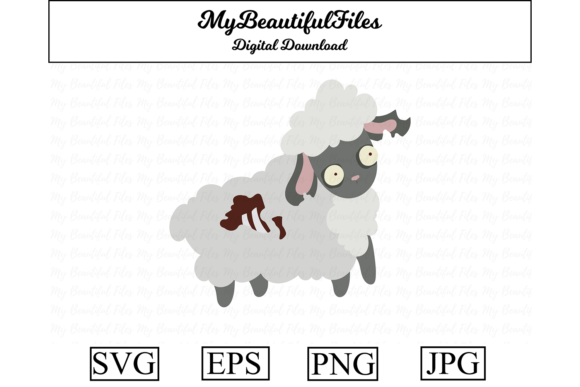
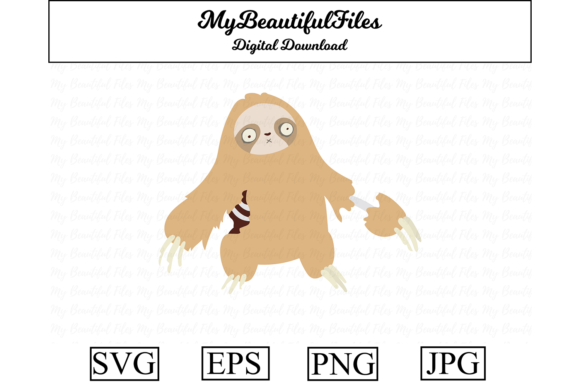
At its core, the Zombie Animal - Sloth is a study in contrasts. The sloth itself is an animal known for its slow, deliberate movements and gentle nature. Introducing a zombie element transforms this familiar creature into something unexpected. The illustration likely plays with textures—the soft, matted fur of a sloth juxtaposed with the decayed, exposed elements of a zombie. Its expression might be a mix of bewilderment and hunger, creating a character that is both unsettling and oddly endearing. This duality is its strength. It doesn't rely on pure horror; instead, it uses the sloth's inherent personality to create a unique visual language that can be humorous, creepy, or stylized depending on the context you place it in.
Practical Applications Across Projects
This type of illustration shines in projects where personality and narrative are key. As a design asset, its value lies in its adaptability. For brand identity work, particularly for brands targeting a niche audience with a love for pop culture, horror-comedy, or alternative aesthetics, this sloth could become a memorable mascot. Imagine it on merchandise for a craft brewery, a podcast about weird history, or a clothing line with a darkly playful vibe. In editorial design, it could illustrate articles about unusual animal facts, Halloween content, or stories exploring themes of transformation and resilience. For packaging design, especially for products like hot sauces, novelty candy, or indie video games, it offers instant shelf appeal and a clear signal of the product's personality.
For social media graphics and web design, the illustration can be a powerful engagement tool. It stops the scroll. A well-placed zombie sloth in a blog post header, a website banner, or an Instagram story template instantly communicates a creative, offbeat tone. It works exceptionally well for content creators in the gaming, comics, or DIY crafting spaces. The file formats included—PNG, SVG, JPG & EPS—are crucial here. The SVG and EPS formats allow for infinite scaling without quality loss, perfect for large prints or detailed logos. The PNG with a transparent background is ideal for layering in digital designs, while the JPG is ready for quick use in presentations or documents.
Integrating the Asset into Your Design Workflow
Before using any creative font or illustration, it's wise to evaluate its fit. Consider the project's overall message. Does the zombie sloth's blend of humor and horror align with your audience's expectations? For a children's birthday party invitation, it might be too intense. For a horror-themed event poster or a quirky tech startup's about page, it could be perfect. Test its versatility by placing it against different color backgrounds and alongside various typefaces. Does it hold its own next to a clean sans serif font, or does it pair better with a gritty handwritten font or a classic serif font? The goal is to create a cohesive visual system where the illustration enhances, rather than clashes with, other elements.
Think about visual hierarchy. This illustration is a display element; it's meant to be a focal point. Use it where you want to draw immediate attention. It can anchor a design, giving viewers a clear starting point before they engage with text or other details. In terms of brand perception, using such a distinctive asset consistently can help build recognition. It signals that your brand isn't afraid to be different and values creativity. However, consistency is key. Use the zombie sloth in a way that feels intentional and part of a larger design strategy, not as a random, one-off decoration.
Making the Most of Your Download
The provided files are ready for immediate use, but a little preparation goes a long way. The note about the watermark is important—it's a protective measure for the creator and won't appear in your final files. Once downloaded, organize the formats in your project folder. Use the vector files (SVG, EPS) for any work that might need resizing, such as creating a logo or a large banner. Use the raster files (PNG, JPG) for direct placement in digital documents, websites, or social media posts where the size is fixed.
When incorporating the sloth into your work, consider its "personality." Is it menacing, silly, or just weird? Let that guide your typography and layout choices. For a more playful feel, pair it with a rounded sans serif or a bouncy script font. For a darker, more serious tone, a stark, geometric typeface might work better. The illustration is a starting point; your design decisions around it will determine the final mood. This asset is a tool for storytelling. Whether you're a small business owner crafting a unique brand identity, a blogger looking for standout headers, or a crafter designing one-of-a-kind merchandise, the Zombie Animal - Sloth offers a memorable character to build your visual narrative around. Its value isn't just in its novelty, but in its ability to spark a connection with an audience that appreciates the creative and the unexpected.